
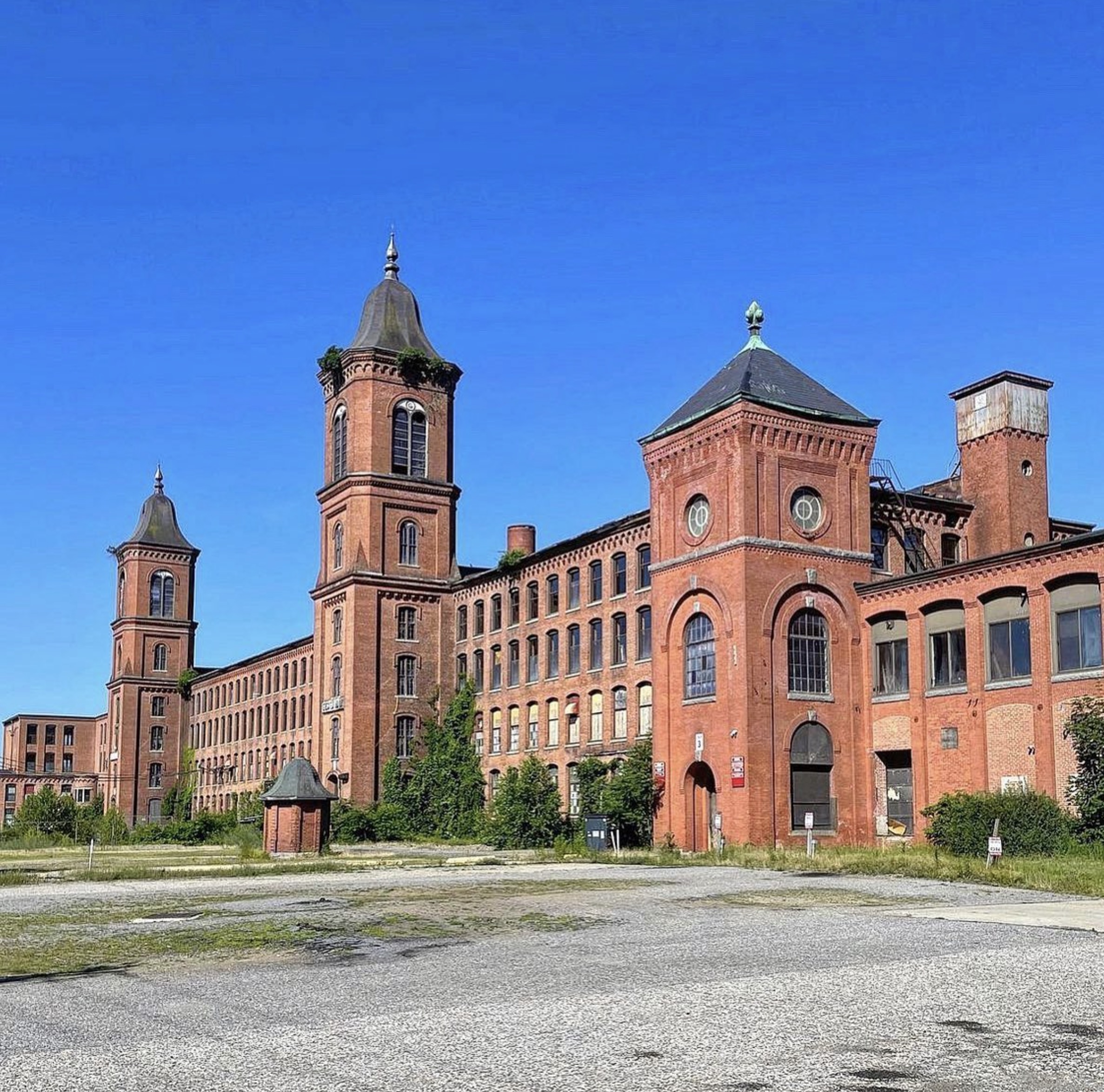
The Mills That Shaped Thompson: Industry, Ingenuity, and Lasting Impact
Long before modern storefronts, service companies, and professional offices lined Thompson’s roads, the steady rhythm of mill wheels defined daily life. The mills of Thompson were more than buildings; they were engines of opportunity, drawing workers, families, and commerce to the town and shaping its identity for generations.
Thompson’s geography played a defining role in its early economic success. The Quinebaug River and its surrounding waterways provided reliable waterpower, making the town a natural location for mills in the late 18th and 19th centuries. Early sawmills and gristmills supported agriculture and construction, while later textile and manufacturing mills expanded Thompson’s reach far beyond its borders.
These mills transformed raw materials into essential goods and helped position Thompson as a working, producing town, one that contributed meaningfully to the regional economy of northeastern Connecticut.
Mill work required precision, endurance, and technical knowledge. Generations of Thompson residents found steady employment in these facilities, developing specialized skills that were passed down through families. Entire neighborhoods grew around mill operations, shaping the town’s layout, housing, and social fabric.
The mills also fueled the growth of supporting businesses, general stores, boarding houses, blacksmiths, transport services, and small merchants, creating an interconnected local economy where nearly every trade relied on another.
As industrial practices shifted in the 20th century and large-scale manufacturing began to decline across New England, many mills slowed or closed. While these changes brought challenges, they also marked a turning point for Thompson.
Rather than fading with the industry, the town adapted. Former mill spaces found new purposes or became historical reminders of a proud industrial past. More importantly, the entrepreneurial mindset fostered by generations of mill workers endured, reshaping Thompson’s economy into one driven by small businesses, skilled trades, and local services.
Today’s Thompson economy reflects the same values that once powered the mills: reliability, craftsmanship, and community investment. While the sound of water-driven machinery may no longer dominate the landscape, its influence lives on in the businesses that operate here today, many of which are built on the same principles of hard work and accountability.
The transition from mill-based industry to locally owned businesses represents not a loss, but an evolution, one that allows Thompson to remain economically diverse and resilient.
We intend to carry the Legacy Forward!
The Thompson Business Association exists to support this next chapter.
Our mission is rooted in the same foundation the mills created:
-
Strengthening Thompson’s local economy
-
Supporting business owners and entrepreneurs
-
Encouraging collaboration and long-term sustainability
-
Preserving Thompson’s identity while embracing growth
By fostering strong business relationships and providing resources, visibility, and advocacy, the Thompson Business Association helps ensure Thompson remains a place where work matters and businesses succeed.
A Legacy Still at Work
The mills may no longer power Thompson’s economy, but their impact is still felt in the town’s character, values, and work ethic. Every locally owned business today carries a piece of that legacy, proof that while industries change, the spirit of Thompson endures.
From water wheels to storefronts, Thompson continues to be built by those willing to work, innovate, and invest in their community.

